How to Make Carpet Look New Again: A Step-by-Step Refresh Guide for Real Homes
Your carpet looked amazing when it was first installed. Now it’s matted, stained, and just tired. Before you start pricing replacements, you should know that most carpets can be restored to near-original condition with the right approach. This guide covers practical methods that work—from quick DIY fixes to professional restoration techniques that actually deliver results.
Whether you’re dealing with high-traffic wear, stubborn pet stains, or just years of accumulated dirt, there’s a solution that fits your situation and budget.
Why Your Carpet Stops Looking New (And What Actually Happens)
Carpet fibers compress under constant foot traffic, especially in hallways and living rooms. The pile that once stood upright starts lying flat, creating that worn-out look even when the carpet is technically clean. Soil particles work their way deep into the backing, and no amount of regular vacuuming can reach them.
Spills and accidents leave behind residues that attract more dirt over time. What started as a small coffee stain gradually becomes a dingy patch that spreads outward. UV exposure from windows can fade colors unevenly. Furniture weight creates permanent-looking indentations. All of these factors combine to age your carpet faster than it should wear out.
The good news? Most of this damage is reversible with proper treatment.
Quick Wins: DIY Methods That Actually Work
Some carpet problems respond well to home solutions. Start with these proven techniques:
Vacuum properly and frequently. Use a vacuum with strong suction and a rotating brush. Go over high-traffic areas at least twice weekly, moving slowly enough for the machine to actually pull embedded dirt from the fibers. Change your vacuum bag or empty the canister when it reaches halfway full—a full bag cuts suction by nearly half.
Remove furniture indentations immediately. Place an ice cube in each dent and let it melt completely. Once the area is saturated, use a stiff brush or the edge of a spoon to fluff the fibers back up. For deeper indentations, dampen a clean towel, place it over the dent, and press with a warm iron for a few seconds. Never let the iron touch the carpet directly.
Treat fresh stains within minutes. Blot liquids with clean white towels—never rub, which pushes the stain deeper. Work from the outside edges toward the center to prevent spreading. For most spills, plain cold water works better than products that leave sticky residues.
Try the baking soda refresh. Sprinkle a generous layer across the entire carpet and work it into the fibers with a stiff brush. Let it sit overnight to absorb odors and loosen surface grime, then vacuum thoroughly the next morning.
These methods handle surface-level issues effectively. They’re perfect for maintenance between deeper cleanings.
The Deep Clean Your Carpet Actually Needs
Surface cleaning only goes so far. Eventually, dirt works its way into the carpet backing and padding where home vacuums can’t reach it. That’s when you need hot water extraction—the method carpet manufacturers actually recommend in their warranties.
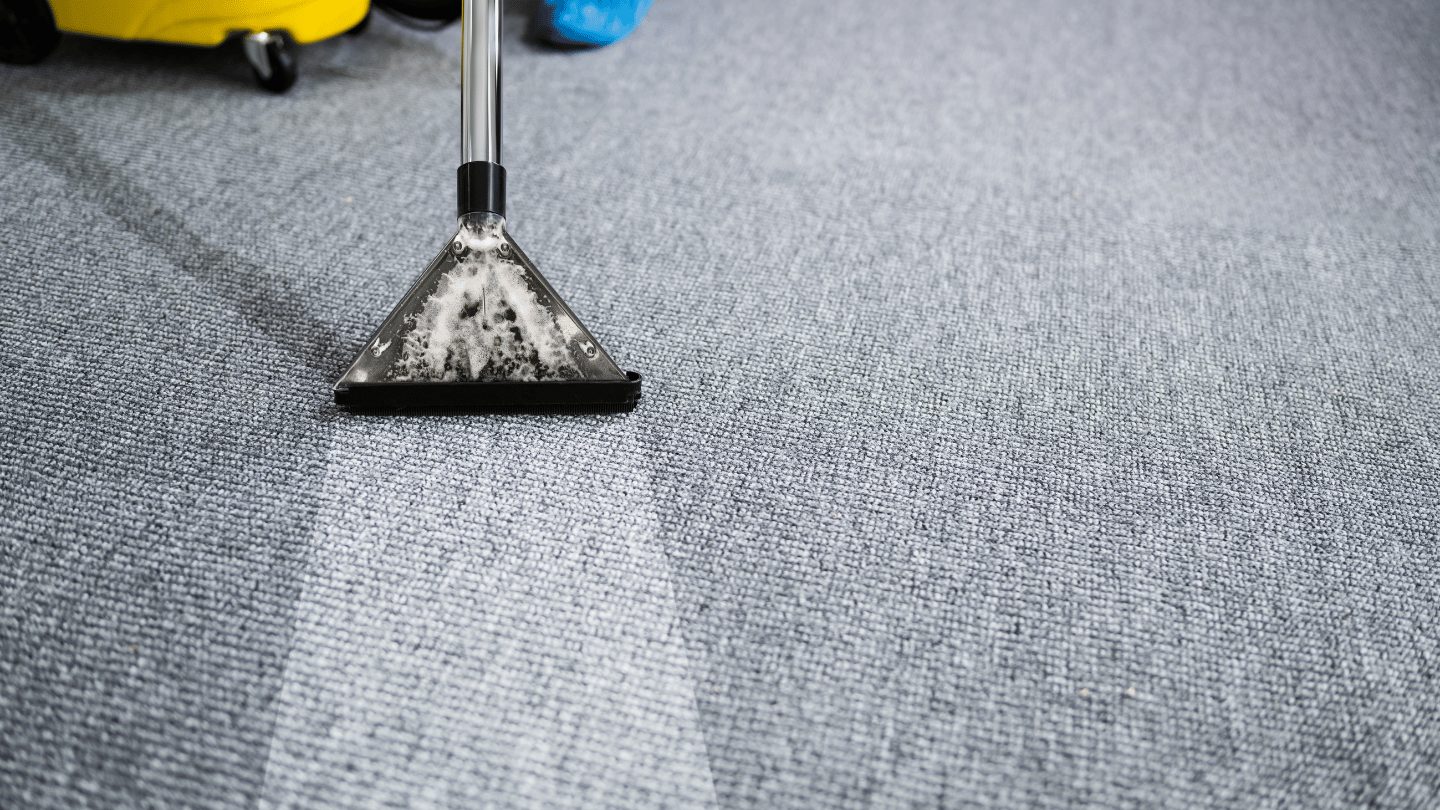
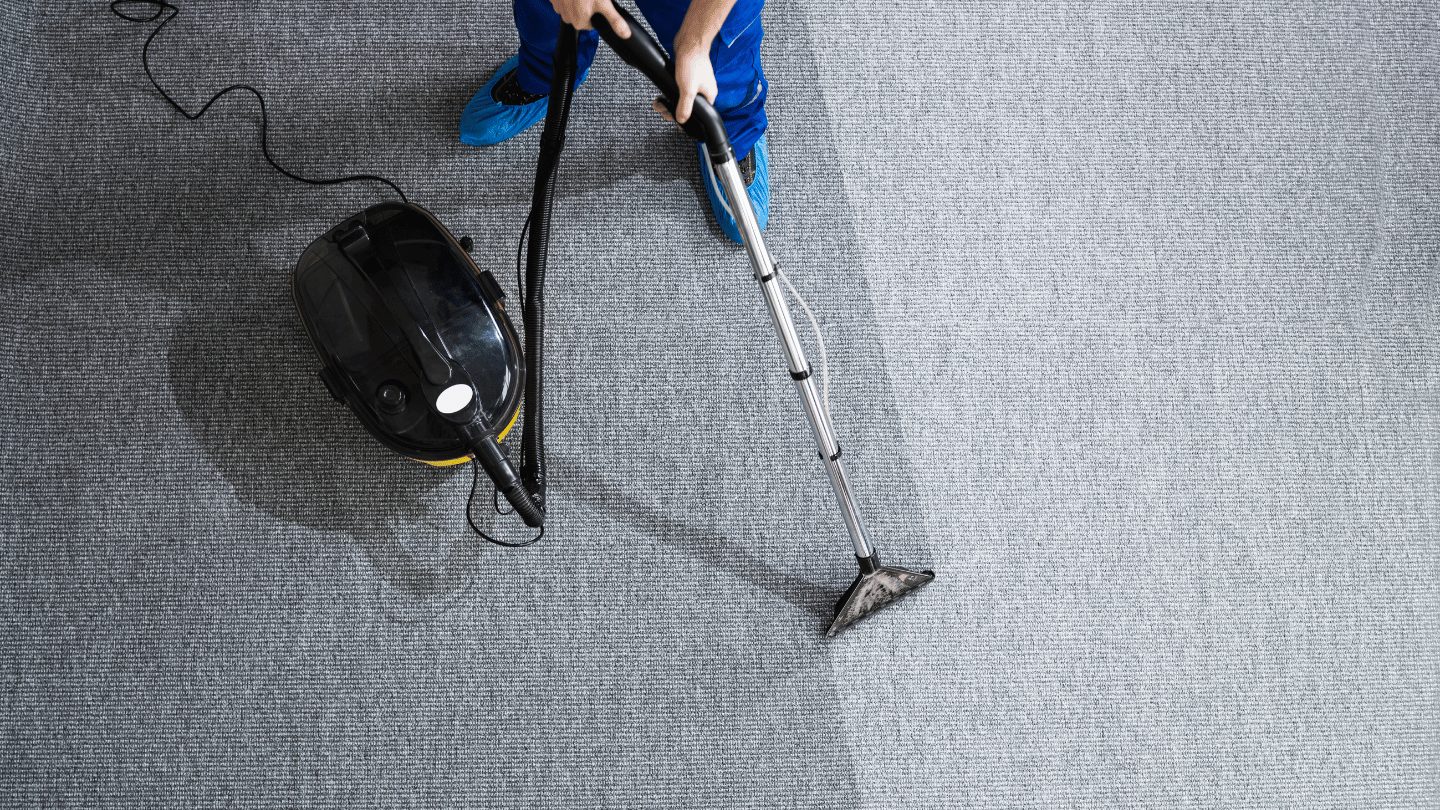
This process uses a heated cleaning solution under pressure to penetrate deep into carpet fibers. The combination of heat, cleaning agents, and mechanical action loosens embedded soil that’s been building up for months or years. Powerful extraction equipment then removes the dirty water along with the contaminants, leaving minimal moisture behind.
Rental machines from grocery stores seem like a budget-friendly option, but they come with serious limitations. They use cold or barely warm water, which doesn’t break down oils and residues effectively. Their suction power is a fraction of professional equipment, leaving carpets soaking wet for 24 hours or more. That excess moisture creates perfect conditions for mold growth in the padding underneath.
Professional-grade equipment heats water to optimal temperatures and uses vacuum systems that extract most moisture. Carpets dry much faster than with rental machines. The cleaning solutions are formulated specifically for your carpet type and adjusted for the right pH balance to avoid fiber damage or residue buildup.
Homes throughout Wilmington and the Cape Fear region benefit from professional deep cleaning every 12-18 months, with more frequent service needed for households with pets or children.
When DIY Methods Fall Short
You’ll know it’s time to call for professional help when home methods stop producing results. Here are the clear signs:
Pet stains that keep coming back. Urine soaks through carpet into the padding and sometimes even the subfloor underneath. Surface treatments might temporarily mask the odor, but it returns as soon as humidity rises. Eco-friendly enzyme treatments break down urine crystals at the molecular level, permanently eliminating both stains and smells.
Traffic patterns that won’t lift. Heavily walked areas develop dark pathways that resist all your cleaning attempts. This happens because soil particles have been ground deep into the fiber structure through repeated foot traffic. Only professional extraction can reach these embedded contaminants.
Matted carpet that won’t fluff up. When fibers stay compressed even after the ice cube trick, they need professional restoration. Hot water extraction combined with specialized grooming tools can revive pile texture that seemed permanently damaged.
Allergens affecting your family. Carpets trap dust mites, pollen, pet dander, and other particles that trigger respiratory issues. Professional cleaning removes the vast majority of allergens that regular vacuuming leaves behind.
Old stains you’ve given up on. That wine spill from two years ago or the mystery stain that appeared while you were on vacation? Professional technicians have specialized spotting chemicals and techniques for different stain types—protein-based, tannin, oil, dye. What looks permanent to you is often completely removable with the right treatment.
What Professional Carpet Restoration Includes
Professional restoration goes far beyond just running equipment over your floors. Here’s what actually happens during a thorough service:
Pre-inspection and testing. Technicians identify fiber types, check for colorfastness, and assess problem areas. They’ll show you what can be improved and set realistic expectations for stubborn issues.
Pre-treatment of heavy soils. Traffic lanes and problem spots get special attention with solutions designed to break down specific types of dirt and stains before the main cleaning begins.
Hot water extraction with heated solution. Professional equipment maintains optimal temperatures throughout the cleaning process. The combination of heat, pressure, and the right cleaning chemistry lifts dirt that’s been embedded for years.
Specialized stain and odor treatment. Pet accidents get enzyme treatments. Tough stains receive targeted spotting chemicals. Persistent odors are neutralized at their source rather than masked with fragrances.
Speed drying with proper airflow. High-powered extraction removes excess moisture, and air movers can be positioned to accelerate drying in humid conditions—especially important in coastal areas.
Post-treatment grooming and inspection. Carpets are groomed to restore proper pile direction and texture. Technicians do a final walkthrough to ensure everything meets their quality standards and your satisfaction.
The entire process typically takes 20-30 minutes per room, depending on soil levels and carpet condition. Most homes are ready for normal use within several hours.
Common Carpet Problems (And Real Solutions)
| Problem | Why It Happens | Effective Solution |
| Matted, crushed pile | Heavy traffic compresses fibers over time | Professional extraction + pile lifting; regular rotation of furniture and rugs |
| Furniture indentations | Weight compresses fibers for extended periods | Ice cube method for minor dents; professional steam for severe cases |
| Recurring pet odors | Urine in padding and subfloor | Enzyme treatment that reaches contaminated layers; possible padding replacement for severe cases |
| Rapid re-soiling | Detergent residue left by previous cleaning | Professional extraction with proper rinsing; avoid over-the-counter carpet shampoos |
| Faded color and dullness | Ground-in dirt coats fibers and reflects less light | Deep cleaning to remove soil buildup; UV protection for sun-exposed areas |
| Mysterious new stains | Wicking—old spills rise from padding as carpet dries | Professional sub-surface treatment; possible padding replacement |
Ready to Restore Your Carpet?
You’ve got options now. DIY methods work great for maintaining carpets between professional services and handling minor issues as they happen. But when your carpet needs serious restoration—whether it’s stubborn stains, persistent odors, or just years of accumulated wear—professional treatment delivers results that home methods simply can’t match.
Professional restoration uses manufacturer-recommended techniques that protect your warranty while restoring appearance and extending lifespan. With fast-drying methods and safe solutions, your home is ready to enjoy in hours. Schedule your free consultation to see exactly what’s possible for your specific carpet and situation.
Frequently Asked Questions
How often should I professionally clean my carpet to keep it looking new?
Every 12-18 months for most homes. Homes with pets or children benefit from cleaning every 6-12 months.
Why does my carpet look dirty again just days after cleaning?
Previous cleaning left soapy residue that attracts dirt, or old spills wicking up from padding as carpet dries.
Will cleaning remove all pet stains and odors?
Most pet stains and odors are completely removable with enzyme treatment reaching padding. Severe cases may need padding replacement.