Locally Owned

Wilmington, Wrightsville Beach, Carolina Beach, Leland, Hampstead, Castle Hayne, and Rocky Point.

Discover the Ultimate Carpet Cleaning Method: Steam vs Dry vs Shampoo Revealed

Every carpet cleaning company claims their method works best. Steam cleaners tout deep extraction. Dry cleaning promises fast results. Shampooing sounds thorough. So which one actually cleans your carpets?

The answer depends less on marketing claims and more on what your specific carpets need right now. Here’s how each method works and when each one makes sense for your home.

Hot Water Extraction (Steam Cleaning)

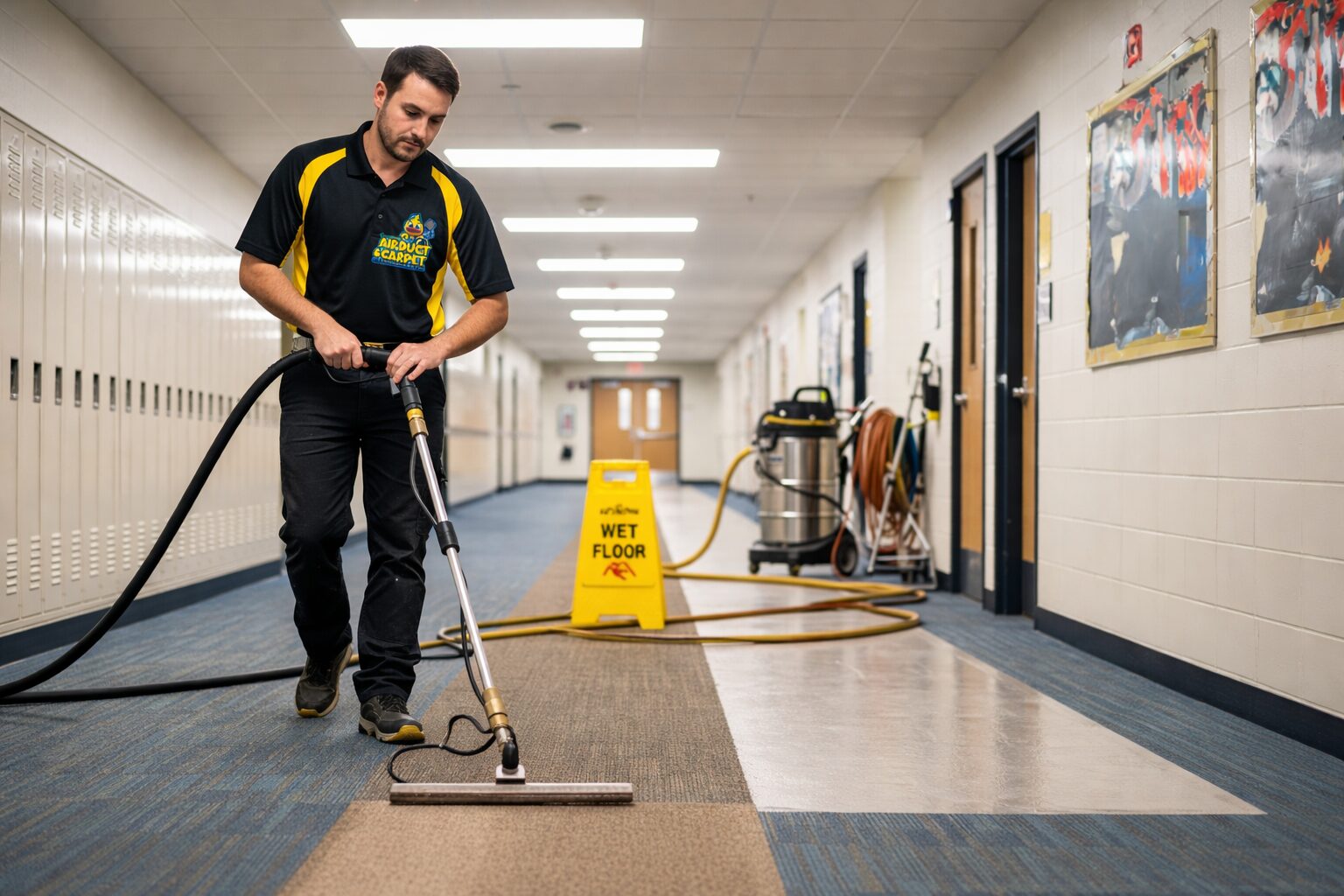
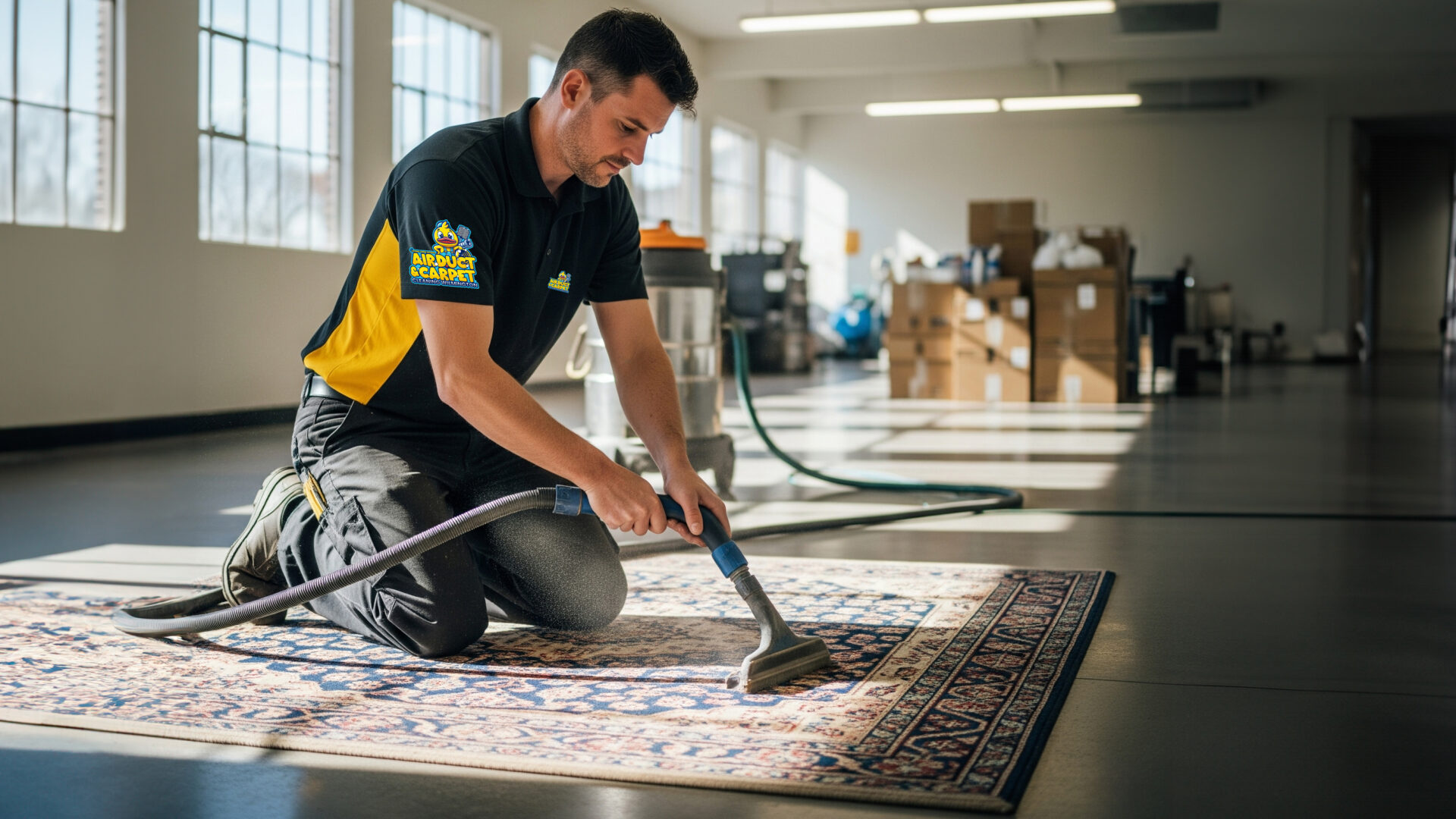
Despite the name, this isn’t really about steam—it’s about hot water and powerful suction working together. Hot water mixed with cleaning solution gets injected deep into carpet fibers, loosening dirt that’s been ground in over months. The extraction equipment then pulls everything out—dirt, cleaning solution, and moisture—in one pass.

This method reaches all the way down to your carpet padding. That matters because most allergens, bacteria, and deep stains live below the surface where vacuuming can’t touch them.

Your carpets dry in a few hours, not days. The heated water helps speed up drying while the extraction removes most moisture immediately.

What Hot Water Extraction Handles Best

Pet accidents that have soaked through to the padding. Ground-in dirt from high-traffic areas. Allergen removal for families dealing with respiratory issues. Any situation where you need thorough cleaning that lasts months instead of weeks.

This method works for both residential and commercial spaces. Deep carpet cleaning using hot water extraction removes up to 98% of allergens and bacteria—something surface-level cleaning simply cannot accomplish.

When Hot Water Extraction Isn’t Ideal

Brand new carpets that just need light refreshing. Delicate antique rugs that can’t handle moisture. Situations where you need the carpet ready for use in under an hour.

Dry Cleaning Methods

Dry carpet cleaning uses specialized powder or foam instead of water. The cleaning compound gets worked into your carpet fibers with a machine, where it absorbs dirt like tiny sponges. Then you vacuum everything up—compound and dirt together.

Your carpets are ready to use immediately. No drying time, no moisture concerns, no waiting around.

The trade-off? This method only cleans the surface. Anything embedded deep in the fibers or soaked into the padding stays there. Think of it as a quick refresh rather than a thorough restoration.

When Dry Cleaning Makes Sense

Commercial spaces that can’t shut down for hours. Carpets that need a quick appearance boost before an event. Light maintenance between deeper cleanings. Areas with minimal soiling that just need freshening up.

Wilmington’s coastal humidity actually makes dry cleaning less practical for deep cleaning—moisture trapped below the surface won’t get extracted, potentially leading to mildew problems down the line.

What Dry Cleaning Can’t Do

Remove pet odors from padding. Extract deeply embedded dirt. Eliminate allergens living below the surface. Handle heavily soiled carpets that need restoration.

Carpet Shampooing

Shampooing involves working foaming detergent into your carpet with rotating brushes, then extracting the foam along with loosened dirt. It’s like washing your car—lots of suds, lots of scrubbing, then rinsing.

The problem with traditional shampooing is residue. If the extraction doesn’t remove all the soap, that sticky residue acts like a dirt magnet. Your carpets might look great right after cleaning, then get dirty faster than before.

Modern shampooing methods have improved with better extraction equipment and low-residue formulas. But the process still takes longer to dry than hot water extraction and doesn’t penetrate as deep.

Where Shampooing Still Has a Place

Heavily soiled commercial carpets where appearance matters more than deep sanitization. Situations where budget is the primary concern. Carpets that haven’t been cleaned in years and need aggressive surface treatment.

Why Most Professionals Prefer Hot Water Extraction Instead

Better dirt removal. Faster drying. No soap residue. Deeper penetration into fibers and padding. These advantages explain why hot water extraction has become the industry standard for thorough carpet cleaning.

Comparing Methods Side by Side

MethodDrying TimeCleaning DepthBest ForNot Ideal For
Hot Water Extraction2-4 hoursDeep (reaches padding)Pet stains, allergens, thorough cleaningDelicate antiques
Dry CleaningImmediateSurface onlyQuick refresh, commercial spacesDeep stains, odors
Shampooing6-12 hoursModerateHeavy surface soilAvoiding residue

What Most Homeowners Actually Need

If your carpets haven’t been professionally cleaned in over a year, hot water extraction gives you the thorough results that justify the service. It removes what’s causing odors, extends carpet life, and creates a healthier indoor environment.

For routine maintenance every few months on already-clean carpets, dry cleaning offers convenience. But it’s not a substitute for periodic deep extraction—just a way to extend time between thorough cleanings.

Shampooing has mostly been replaced by more effective methods. Unless you’re dealing with extremely heavy soil on commercial carpets, hot water extraction delivers better results in less time with fewer headaches.

The Wilmington Factor

Living near the coast creates specific carpet challenges. Sand gets tracked in constantly. Humidity levels make moisture management critical. Salt air affects indoor air quality.

Hot water extraction addresses these issues by removing the sand particles embedded deep in fibers and extracting moisture thoroughly enough to prevent mildew—especially important in areas near Wrightsville Beach and Carolina Beach where humidity stays elevated year-round.

Green carpet cleaning methods using hot water extraction also handle coastal challenges without harsh chemicals, making homes safe for children and pets while addressing the unique demands of coastal living.

Get The Method That Actually Works

Most carpet manufacturers recommend hot water extraction because it cleans thoroughly without damaging fibers. Throughout Wilmington and the Cape Fear region, hot water extraction has become the standard for residential and commercial carpet care.

Professional carpet cleaning uses hot water extraction as the primary method, with equipment and expertise that rental machines and consumer-grade systems can’t match. Same-day service means your carpets get the deep cleaning they need without disrupting your schedule—all backed by a 100% satisfaction guarantee.

Making The Right Choice

Choose hot water extraction when:

  • You need thorough cleaning that lasts months
  • Pet odors or stains have penetrated the padding
  • Allergens are a concern for your family
  • You want to extend your carpet’s lifespan significantly

Consider dry cleaning when:

  • You need carpets ready immediately
  • Light refreshing is sufficient
  • You’re maintaining already-clean carpets

Skip traditional shampooing unless:

  • You’re dealing with extremely heavy commercial soil
  • Budget absolutely demands the lowest price option
  • You don’t mind potential residue issues

Frequently Asked Questions

Which carpet cleaning method dries fastest?

Dry cleaning is immediate, hot water extraction takes 2-4 hours, and shampooing requires 6-12 hours for complete drying.

Is hot water extraction the same as steam cleaning?

Yes. The industry uses both terms for the same process—heated water injection followed by powerful extraction to deep clean carpets.

Can dry cleaning remove pet odors?

No. Pet odors require extraction that reaches padding where urine soaks through. Dry cleaning only treats the carpet surface.